While businesses are grappling with various challenges as they seek to thrive in today’s competitive environment, it is not easy to come across a firm that offers a range of solutions, to almost all challenges, under the same roof.
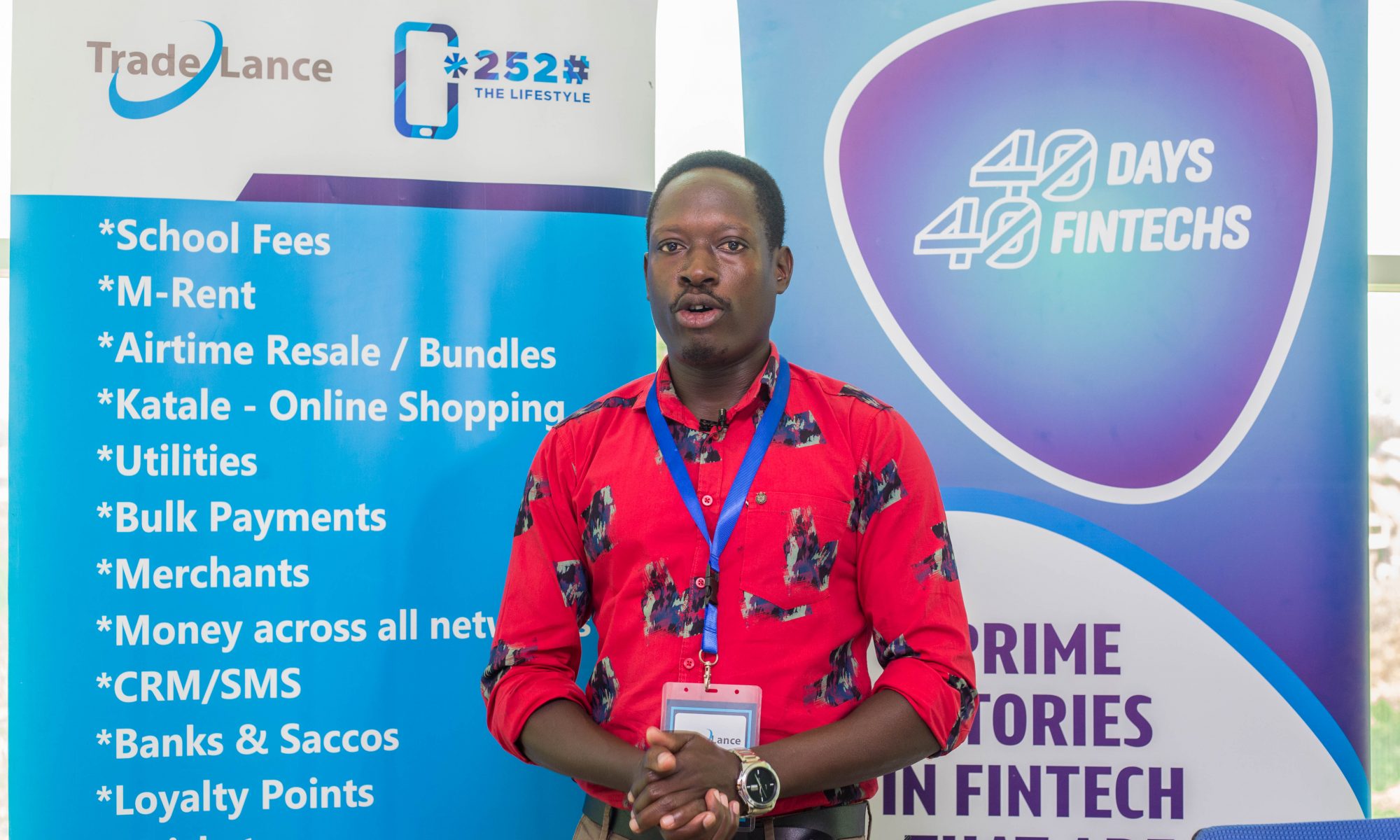
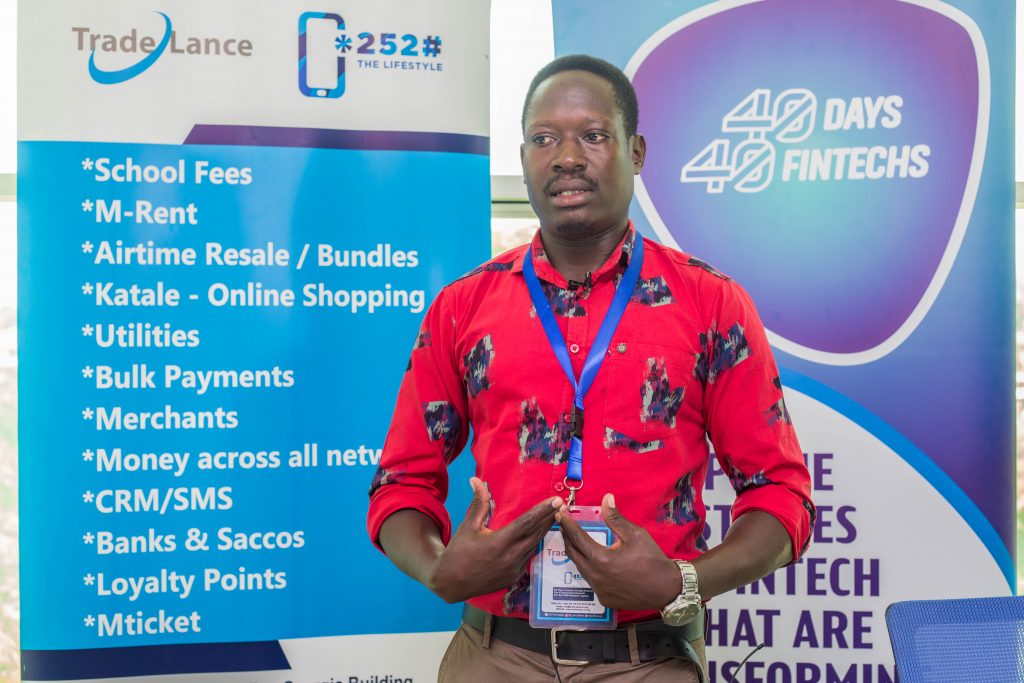
However, Trade Lance, an Information and Communications Technology (ICT) firm, has curved itself a slot in that area as it provides digital solutions to most challenges that businesses require to thrive.
The Ugandan firm offers a range of solutions from integration, aggregation, software development and utility payments, among others, to solve day-to-day challenges.
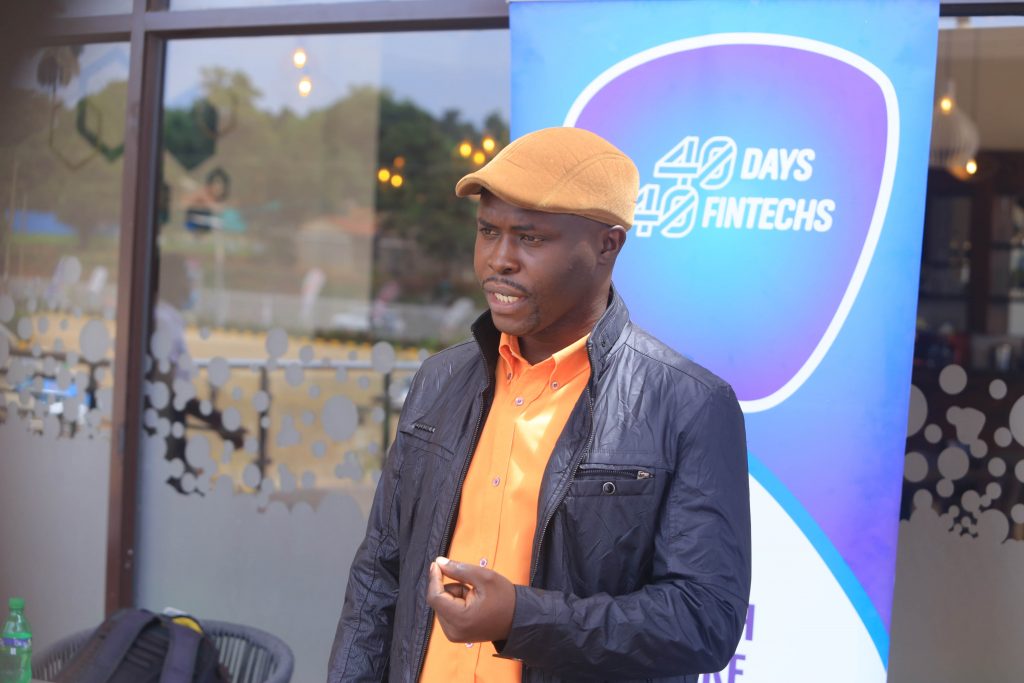
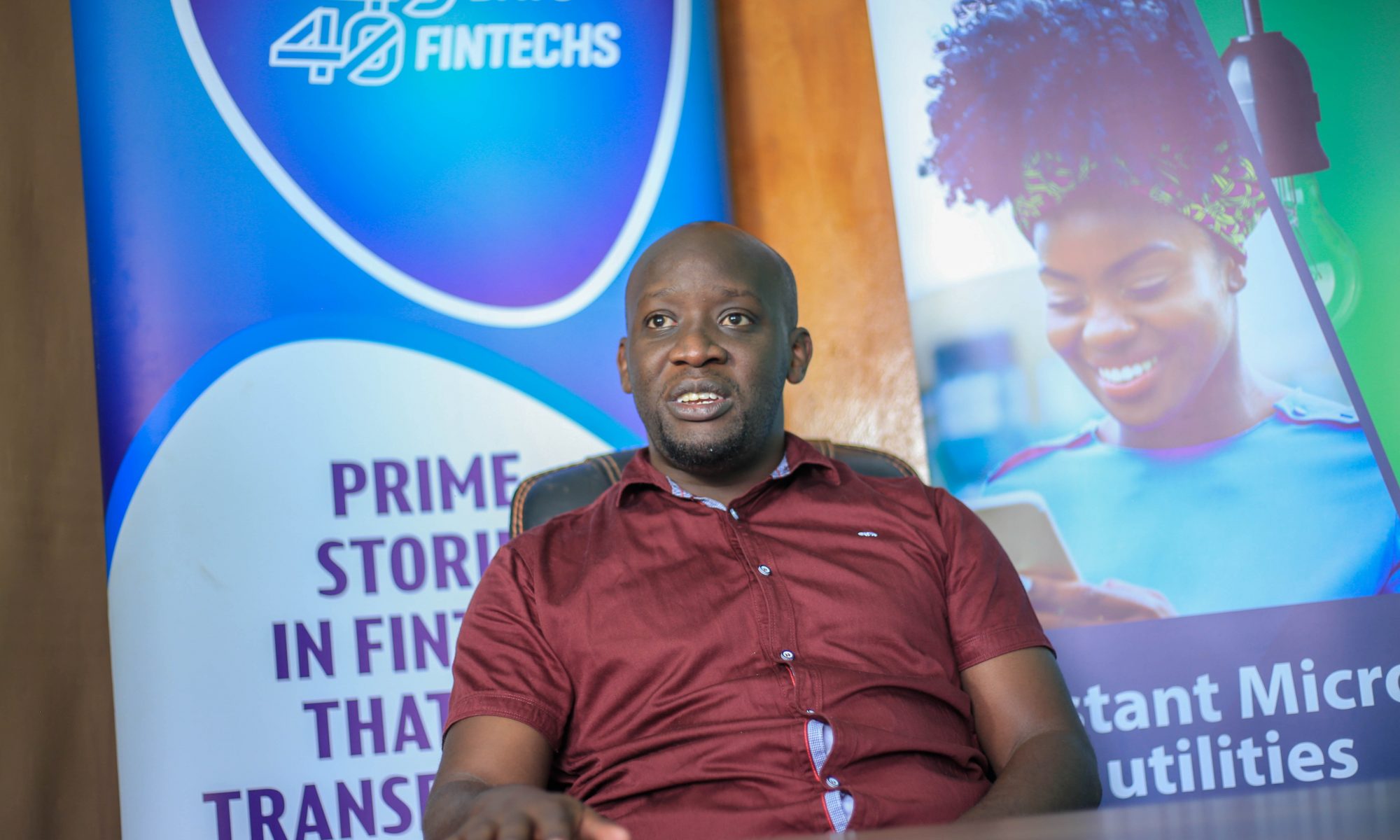
The firm’s Sales and Marketing Analyst Nelson Mandela Ewolu says the company has integrated with major telecommunications companies in Uganda including MTN, Airtel, Africel and Uganda Telecom (UTL) to facilitate smooth mobile money transactions.
It has also aggregated with MTN, Airtel, Africell and Lycamobile, in addition to offering third-party integrations to various companies such as Smile, Roketelkom, Absolute Energy, Cloud Core, Quick Tap, Bright life and Alliance Africa Insurance.
Trade Lance, which boasts of having some of the best software experts in the country, is also in the business of customized software development; it for instance develops Micro Loans Software for financial institutions. Some of its visible products include the Yetu loans software, HCH Financial Services, Hot Cash, Sukuma Loans and Yellow Sacco software.
Other software solutions it has since developed are the E-Voting Software for POA Star Search, a Counseling Registration Software for Strong Minds Uganda and Boda Boda Loans Software.
Additionally, the firm offers a bulk payments solution to mobile money registered numbers. Key among its clients on this solution are Roke Investments and Fireworks Advertising, among others.
Given the increasing cry for mobile money interoperability, Trade Lance allows sending of money across networks, making it easy for people to transact at affordable rates, irrespective of the network they are using.
Their other solutions include utility payments, Client Relation Management Solution, M-Ticket Solution, School Fees Payments and Katale Online Shopping. Trade Lance is also very famous for its *252# financial inclusion USSD and website.
As a firm that participated in the 2020 40-Days 40 FinTechs initiative, Ewolu says among the key takeaways was implementing financial inclusion best practices.
The firm has since implemented some of best practices such as the Low Cost User devices and Pricing Transparency practices.
Ewolu, however, notes that they are not yet able to settle payments on the same way as their partners such as Airtel money are not implementing it as well, for now.
40-Days 40 FinTechs
Trade Lance is participating in the ongoing second edition of the 40-Days 40 FinTechs organised by HiPipo in partnership with Crosslake Technologies, ModusBox and Mojaloop Foundation, and sponsored by the Gates Foundation.
The initiative, which provides a platform for FinTechs and stakeholders in the digital and financial technology space to exhibit their products and share ideas, seeks to boost the African FinTech ecosystem to enable innovators enjoy sustainable profitability to help them design and deploy affordable and inclusive financial services for the poor.
Ewolu also alludes that the 40 Days 40 FinTechs initiative has provided a platform that brings together all players to share experiences and challenges and devise solutions. This, he notes, that enabled the industry to grow.
While he acknowledges that Uganda’s Fintech industry is growing with the number of transactions increasing, he notes that the public is still skeptical about using digital platforms.
“We still have a lot to do to instill faith. I believe in the next five years it will be booming,” he says.
The HiPipo Chief Executive Officer Innocent Kawooya alluded that FinTech is the launch pad on which the promise of full global financial inclusion will be fulfilled, noting that this edition of #40Days40FinTechs will be Uganda’s most comprehensive foray into things like distributed ledger technologies, Artificial Intelligence, Big Data, Automated Customer Relationship Management, cash management and lending platforms.
“The 40-Days 40 FinTechs LevelOneProject shall show we have the innovators to take on the challenges,” he says.
Kawooya, however, adds that a connecting thread will be how FinTechs urgently need interoperability and thus how open source frameworks such as Mojaloop and other technologies, are here to help, including guiding on how emerging frameworks such as #LevelOneProject principles can be used to engender sustainable financial inclusion impact.
It is no secret that women are behind men when it comes to digital skills and are less-likely to have their businesses online compared to their male counterparts.
To close this gap, however, Computing Palace Technologies, an Information and Communication Technology (ICT) firm that specializes in software development, is introducing “Her Duuka”, a web-based e-commerce platform that will enable women post and sell their products online.
According to Felix Balitumye, the Team Lead at Computing Palace Technologies, this will enable women businesses, majority of which have been greatly impacted by the COVID-19 pandemic and the resultant lockdowns, to thrive.
Balitumye says that majority of women-led micro and small businesses have since collapsed due to failure to adapt to electronic commerce because of lack of digital skills among their proprietors.
Over the past few months, the firm has been teaching businesses digital skills to enable them use digital channels to market and sell their products.
“We noticed that many businesses had not adopted so much social media and other digital platforms to do business. But after holding a session with them and showing them how their businesses can evolve, they have adopted,” says Balitumye.
“We are not only teaching these women digital skills, we are also enabling them to adapt by selling their goods online. Whoever will be allowed to create an account on this platform must have been trained.”
This, he says, will also help boost financial inclusion as the women-business owners will only receive their payments through mobile money.
While the platform will primarily be free for all the women, Balitumye says that they might consider charging a small subscription fee in future for sustainability purposes.
This is the latest of a number of innovations by Computing Palace Technologies which deals in a range of ICT-oriented services including software development, development of financial products, websites design and hosting services, ICT consultancy, internship training, and customized ICT training.
Over the years, the firm has developed different management systems including Sacco management, School management, Hospital management, and Church management systems, among others to enable them operate more efficiently.
40-Days 40 FinTechs
Computing Palace Technologies is among the participants in the second edition of the 40-days-40-FinTechs initiative, organised by HiPipo under its Include EveryOne programme, in partnership with Crosslake Tech, ModusBox and Mojaloop.
Balitumye commended HiPipo for the initiative, saying that it has opened for its doors to new partnerships and also broadened its perspective towards financial inclusion and interoperability, which have been integrated in its systems development.
Being a gender-centric firm, however, Balitumye says there is need to for enhanced collaboration and support to bridge the current gender gap in the industry.
The HiPipo Chief Executive Officer Innocent Kawooya alludes that the second edition of the #40Days40FinTechs will showcase the best of the multitude of solutions and products one can think of in the digital space.
“We expect examples of innovations and brands operating in this space and also use this chance to learn, at no cost, from probably the most knowledgeable pool of global FinTech experts that are all scheduled to present this year,” he said.
Kawooya adds that FinTech in Africa offers attractive opportunities and that investors are rightfully picking interest in the various startups that are offering a plethora of services, ranging from payments and lending, remittances, cross-border transfers and neobanks, among others.
It is not uncommon in Uganda to hear stories of a student who has failed to complete their studies or a person who has been unable to travel to a certain destination for lack of money.
However, Ticteq, a Financial Technology Company (FinTech) has come up with a product that seeks to solve to this challenge by enabling people publically share their problems via a common portal to fundraise money to address these pressing needs.
Dubbed Crowd Funding, the product which is on the Ticteq portal, allows anyone to post their problem that needs public support and well-wishers use the same portal to make contributions.
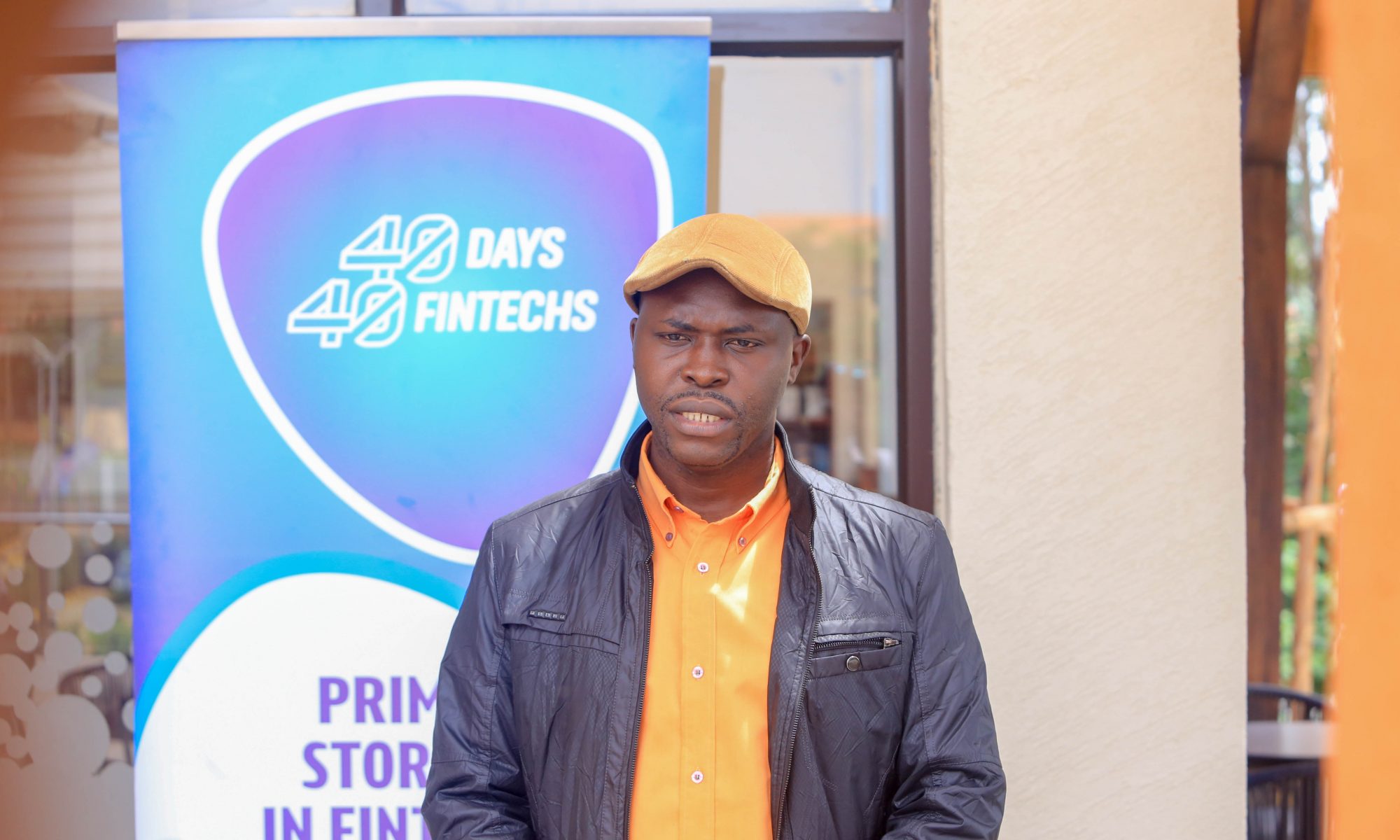
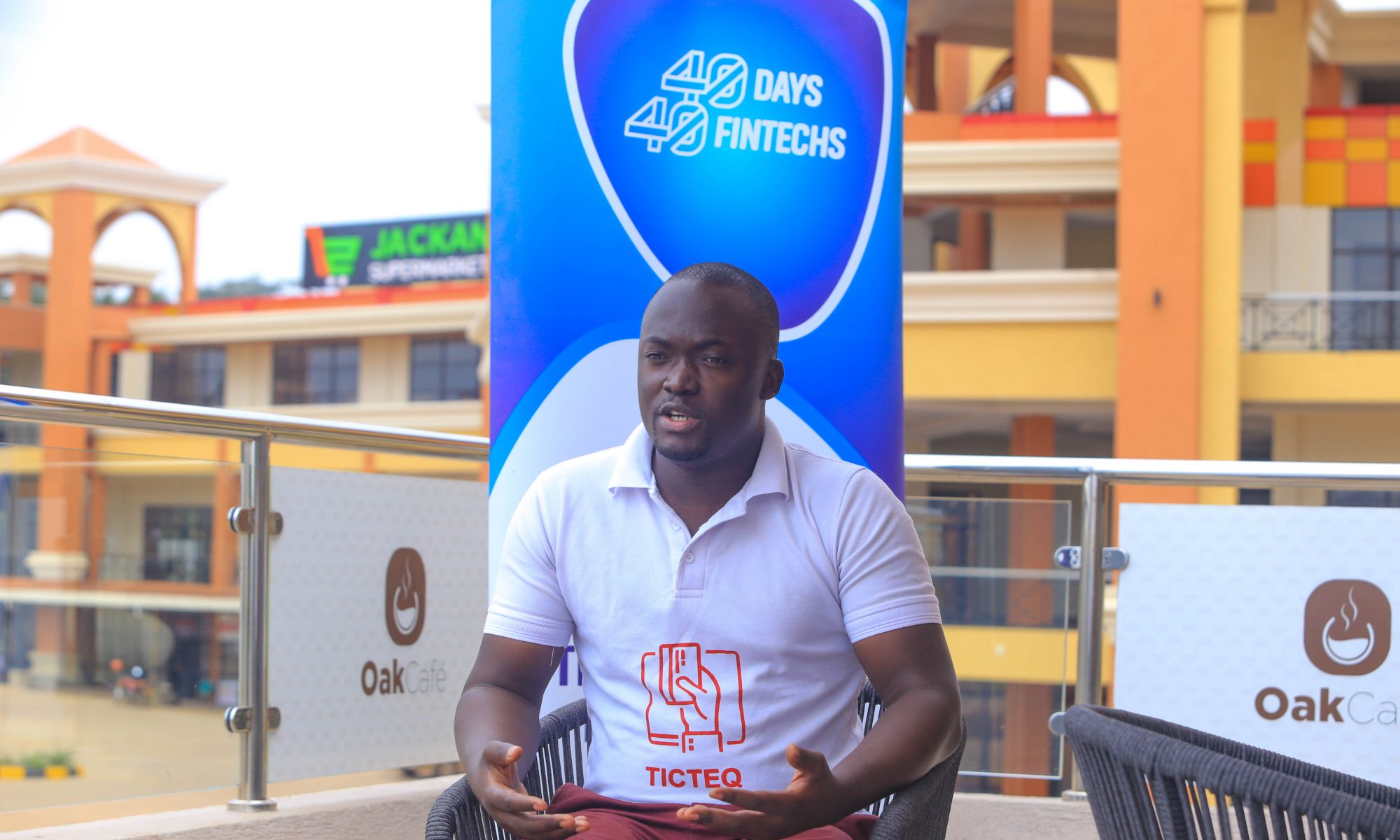
According to George Katuramu, the Ticteq Director, the causes can range from education to medical to social, among others.
When a person makes a donation, the benefactor automatically receives the money instantly at no cost. But Katuramu emphasizes that they follow up the funds to ensure that they are used for the intended cause.
“With our portal, you can always know who donated, the total number of people who donated and the total amount donated and you can withdraw the money to your mobile money account or a bank account at any time but we follow up to ensure that the money is used for the purpose for which it was raised,” he says.
Although the product would salvage many people who we usually see on social media platforms conversing for financial support, Katuramu notes that most Ugandans are yet to appreciate the power of crowd funding.
“Most Ugandans think that crowd funding is for people who need organ transplant or surgery which is not true; it is for everyone. You may need tuition to complete your education or need money to travel, you can raise it through crowd funding,” he says.
“Simply share your story, giving details of what you need to do and how you want to do it. The people who will like your story and get touched to contribute towards the cause; they will do so,” he explains.
To popularize the innovation, Katuramu says the firm is undertaking an awareness drive on its website to create interest from the public.
Online ticketing
Besides crowd funding, the FinTech also offers the Ticteq product; an online platform that brings events’ organizers and revelers in one place, allowing them to sell/buy tickets for sports, theatre shows, music concerts, cinemas, comedy shows, and festivals among others.
Using the platform, event organizers can contact people who have bought tickets, and a customer can also get a refund in case they are unable to attend.
“This is a complete solution for someone who wants to organise a successful event, without worrying about tickets, fake notes, coins or being cheated at the entrance,” he says, adding that one simply visits www.ticteq.com to buy a ticket using either mobile money or a credit card.
Ticteq is one of the firms participating in the second edition of the 40-Days 40 FinTechs initiative organised by HiPipo in partnership with Crosslake Technologies, ModusBox and Mojaloop Foundation, and sponsored by the Gates Foundation.
The initiative provides a platform for FinTechs and stakeholders in the digital and financial technology space to exhibit their products and share ideas.
Katuramu applauded HiPipo for the initiative, saying that it has helped shine a light on the great solutions being innovated by the various FinTechs to solve everyday challenges, which most people did not know about.
He, however, appeals to the government to support Uganda’s FinTech industry, noting that it holds the answer to boosting financial inclusion.
The HiPipo Chief Executive Officer Innocent Kawooya says this edition of 40-Days 40 FinTechs will be Uganda’s most comprehensive foray into things like distributed ledger technologies, Artificial Intelligence, Big Data, Automated Customer Relationship Management, cash management and lending platforms.
He notes that FinTech is the launchpad on which the promise of full global financial inclusion will be fulfilled.
“The #40Days40FinTechs #LevelOneProject shall show we have the innovators to take on today’s challenges,” Kawooya says.
However, he adds, a connecting thread will be how FinTechs urgently need interoperability and thus how open source frameworks such as Mojaloop and other technologies, are here to help, including guiding on how emerging frameworks such as #LevelOneProject principles can be used to engender sustainable financial inclusion impact.
Many businesses globally have been affected by the lockdowns instituted by their respective governments to tame the spread of the deadly corona virus, wiping away livelihoods for millions of people.
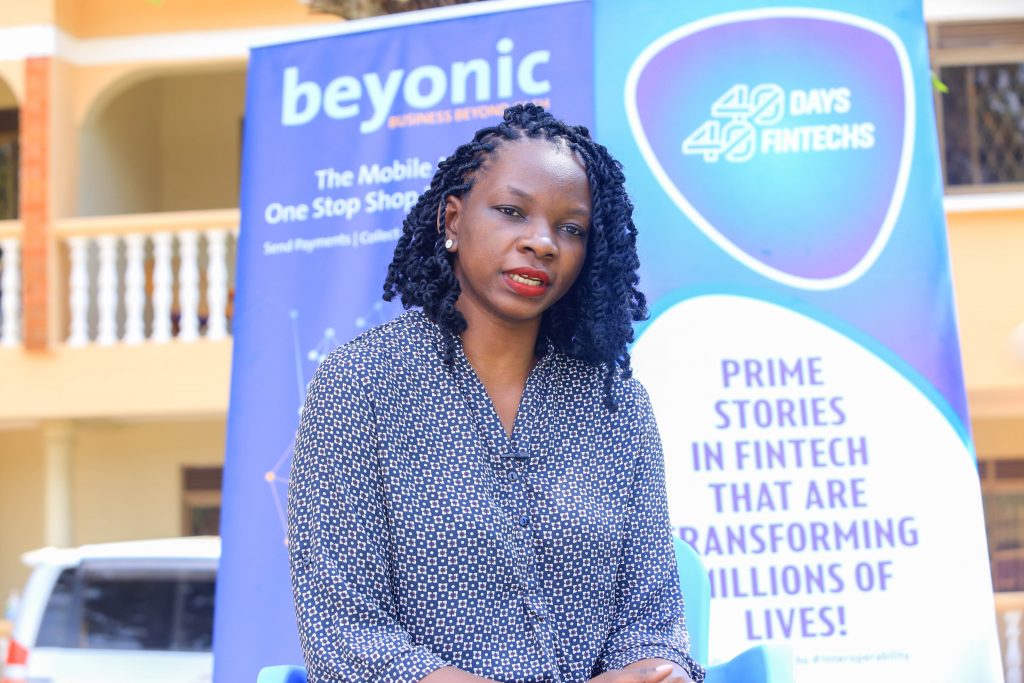
However, Beyonic/ MFS Africa; a giant FinTech that facilitates payments integration across Africa has refined itself to help such businesses continue operating amid the lockdown to enable them survive.
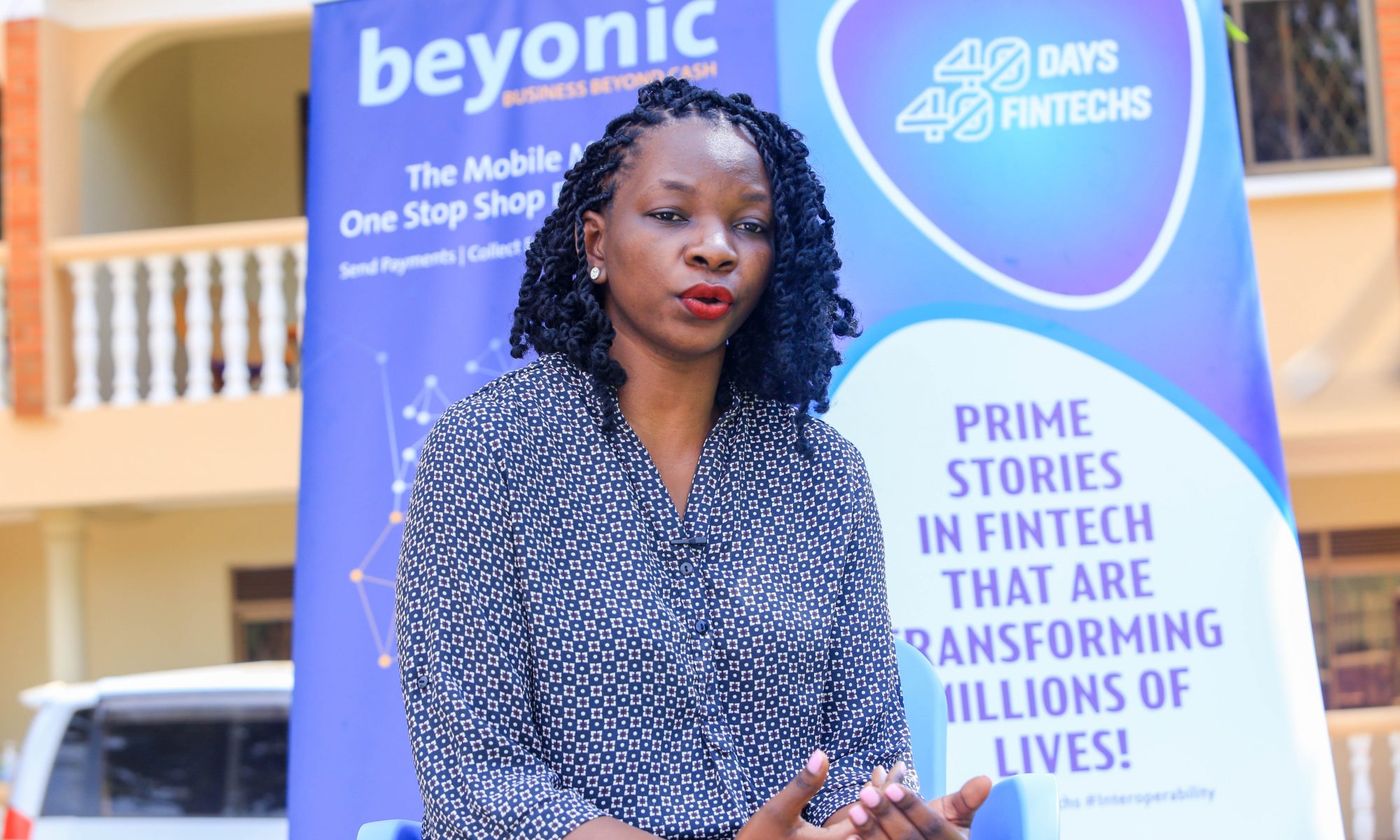
Doreen Lukandwa, the Beyonic/ MFS Africa Vice President, Global Enterprises says: “In the current lockdown, a lot of businesses are asking themselves how they can continue to make money, reach their customers in the safest and most affordable way possible or how to scale their businesses beyond the confines of one district or country. We enable them do that and much more.”
“Also given the current situations where people have to work remotely and are disconnected from their customers, FinTechs like Beyonic have to be very innovative around how they enable businesses to continue to thrive.
“This explains why we have focused on refining the answer to the question for you. When you get a Beyonic account, all you have to do is provide basic Know-Your Customer (KYC) to open an account and you will be able to continue operating your business without having to deal with physical cash. You only need to have the mobile money numbers of the people you would want to send money to or those you want to collect money from and communicate widely that you can accept payments through your platform,” she explains.
She adds that the FinTech is also implementing LevelOneProject principles by effecting all its outstanding payments within minutes.
This, according to Lukandwa, seeks to ensure that they use their digital platforms and available infrastructure to make market challenges obsolete.
“We are a solution provider to the challenges our partners face; it doesn’t matter how small or big your business is, we have a solution for you and we ensure real time settlements to facilitate your business growth.”
Beyonic facilitates payments integration across the African continent by integrating all telecoms in Uganda and in other African countries where it operates.
Thus, once one connects to the Beyonic platform, they will have access to all the networks across all countries where it operates, enabling access through a single log-in.
“When you log-in into that account as a business, you can effect payment to as many people as you would like to or receive payments from as many people as you would like to,” Lukandwa says.
Beyonic recently merged with MFS Africa, enabling it to increase the number of markets available for businesses to operate across the continent.
“To us making borders matter less doesn’t just mean allowing your business go to many other markets but also things like equality, with gender being one of them,” she notes, adding that Beyonic/MFS Africa is women centric, with over 53% of its employees being women.
The FinTech is also deliberate at making more women-owned and led businesses access their platform to enable their businesses to thrive.
40 Days 40 FinTechs
Beyonic is one of the firms participating in the second edition of the 40-Days 40 FinTechs, organised by HiPipo in partnership with Crosslake Technologies, ModusBox and Mojaloop Foundation, and sponsored by the Gates Foundation.
Lukandwa applauded HiPipo for the initiative, saying that it has provided a platform to aggregate information and players in the ecosystem to create awareness about available solutions to address market challenges.
She, however, notes that while Uganda is extremely entrepreneurial, this needs to be matched with the opportunity to scale and advance these enterprises.
“One of the areas in which we are lacking is reducing the cost of operations and scale; for a lot of these businesses, it is very expensive for them to have startup capital, employ staff, and maintain these businesses plus building capacity on best business practices. These are some of the primary loopholes where I think we need to get together as stakeholders to agree on what we want to achieve and how to achieve it and I think consolidating efforts around KYC would be key.”
The HiPipo Chief Executive Officer Innocent Kawooya applauds Beyonic, saying it has played a great financial inclusion role across Africa, as its products and services are impacting thousands of people at the last mile.
He adds that FinTech in Africa offers attractive opportunities and that investors are rightfully picking interest in the various startups offering a plethora of services, ranging from payments and lending, remittances and cross-border transfers, among others.
Currently, Beyonic can be accessed through www.beyonic.com or through social media, Facebook, WhatsApp, Twitter, and Instagram as its offices are currently closed due to the lockdown but will be reopened once it is lifted.
It has been widely documented that cash is one of the channels through which COVID-19 spreads.
While most parents are used to giving their children pocket money in cash, this, given the current pandemic, greatly exposes them to the virus.
In a bid to tame this, however, Pebuu Limited, a Financial Technology Company (FinTech) innovated the Pebuu School Product that has seen cash pocket money replaced with an electronic wallet.
The product, according to John Paul Semyalo, the company’s Chief Executive Officer, has been piloted in a number of schools and is working well.
“This is a post COVID-19 innovation because students will no longer be open to cash; they can now use their wallet which can be in form of their thumb print or a unique number,” Semyalo says, adding that it will help create a cashless environment in schools.
Pebuu, which is a women-centric brand, uses agents, who are spread across the country, to serve its customers.
Semyalo notes that the firm, which trades as Pebuu Africa, currently has 2,400 merchants countrywide, with 80% of them using Point-Of-Sale (POS) machines while 20% use a mobile App on their smartphones.
Pebuu partnered with telecommunications companies – MTN, Airtel, Africell and Uganda Telecom Limited (UTL) to distribute their products – mobile money, airtime, data, Over the Top Tax and other services, through its payment platform.
The FinTech started off with four agents five years ago, carrying only airtime as telecoms were at first adamant to on-boarding any FinTech for mobile money and the other services.
It is also partnering with banks, with three of them – Stanbic, GT Bank and Centenary, already on board, according to Semyalo, who adds that they are in advance stages of on-boarding other banks on to the platform.
“When you visit a Pebuu agent, you are able to cash-in or cash-out mobile money, pay your bills or do banking at the lowest cost possible,” Semyalo says.
Pebuu, which is among the firms taking part in the second edition of the 40-Days 40-FinTechs initiative, also has a Pebuu Care product, a micro credit solution that focuses on women and youth.
The product enables agents to borrow money in real time and pay back the loan in 24 hours or 30 days.
Commenting about the 40 Days 40 FinTechs, Semyalo said: “It is a great initiative; it brings together the different FinTechs to share ideas and the one unique thing is that it opens up the Ugandan FinTechs to the global space. Through this initiative, local FinTechs are promoted globally, which creates visibility for us so that when we decide to go out there and look for global partnership, in form of grants, equity or low interest financing, it becomes easy.”
The 40-Days 40-FinTechs initiative is organised by HiPipo in partnership with Crosslake Technologies, ModusBox and Mojaloop Foundation, and sponsored by the Gates Foundation.
The initiative provides a platform for FinTechs and stakeholders in the digital and financial technology space to exhibit their products and share ideas.
Semyalo also notes that the firm uses Level One Project principles such as Know-Your-Customer (KYC) and real time settlement, which he says are key for competitiveness.
He explains that when on-boarding agents, the FinTech relies on KYC from telecoms or banks as every agent is required to have either a registered mobile phone number or that of the company’s director or a bank account.
The HiPipo Chief Executive Officer Innocent Kawooya notes that the 40-Days 40-FinTech project seeks to boost the African FinTech ecosystem to enable innovators enjoy sustainable profitability to help them design and deploy affordable and inclusive financial services for the poor.
He alludes that FinTech in Africa offers attractive opportunities and that investors are rightfully picking interest in the various startups that are offering a plethora of services, ranging from payments and lending, remittances, cross-border transfers and neobanks, among others.
“Each of these services solves unique sets of challenges. That is why we have this initiative because we want to contribute towards solving the unique challenges that the everyday person faces.”
Challenges
However, Semyalo notes that while the FinTech space in Uganda has evolved over the last five years, it is still quite hard and tough as most FinTechs are still grappling with liquidity challenges.
“For you to survive in the FinTech space, you must have liquidity; you must be aggressive, must be frugal, daring and brave,” he says, adding that those that will benefit are only those that will be resilient to celebrate their 10th birthday.
Africa has been urged to take advantage of the current growth in digital finance to leap into the future.
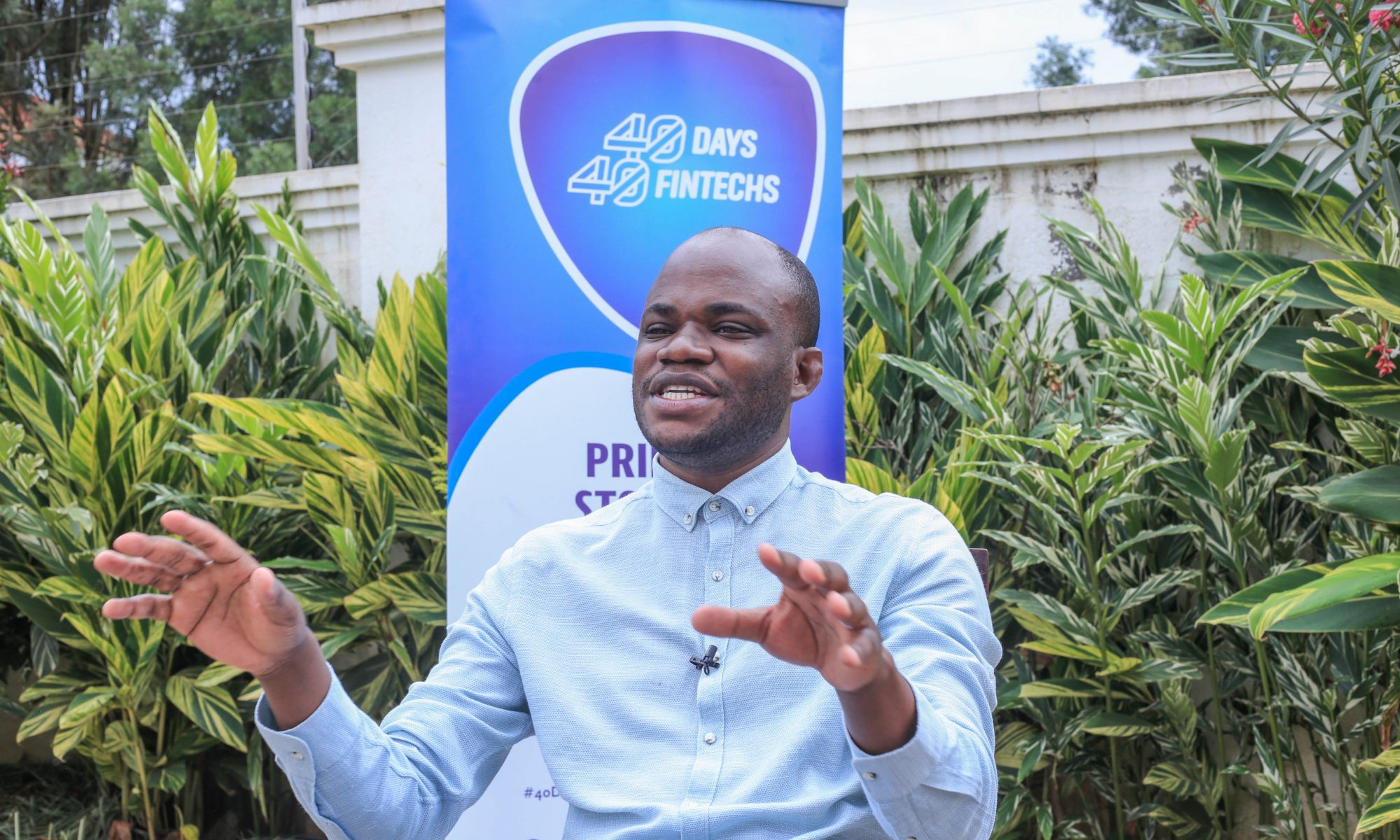
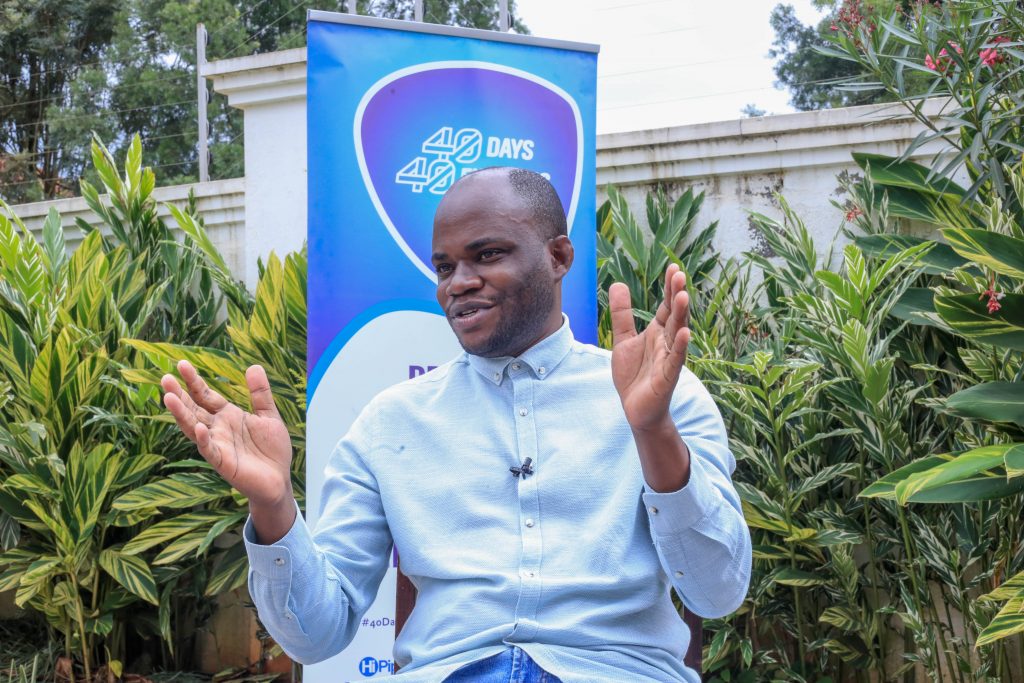
According to the Xente Tech Limited chief executive officer, Allan Rwakatungu, adopting digital payments will allow faster financial inclusion and trade, an opportunity that the continent should take advantage of.
He notes that people’s adoption of digital payment methods and cross-border payments are on increase, accelerated by the COVID-19 pandemic. This, he says, has created an opportunity for financial Technology companies (FinTechs) and the African continent to leap into the future.
Xente Tech Limited is a mobile financial services and e-commerce platform that offers an all-in-one business account that helps business owners and finance teams manage expenses, make payments to team members, suppliers and to collect payments.
Key among its solutions are disbursements – sending mobile money, airtime or data groups of people and payment collections – collecting money from mobile money, Visa or MasterCard, on behalf of businesses.
Rwakatungu adds that the firm is also in the process of launching two other solutions including an Online Payments solution that will enable businesses make online payments with virtual Visa cards and an Expense Management solution that will enable businesses make payments for expenses such as fuel, meals, per diem and other expenses using cards.
This, Rwakatungu explains, will help drive Uganda towards a cashless economy.
“A lot of businesses today manage their expenses manually using cash or cheques. This means that when one needs money for everyday expenses, they have to walk to their accounts department. But now when people are working remotely, that is not possible anymore.
“However, this solution will help businesses continue to do everyday business payments during this pandemic and a lot of businesses are using our solution to pay staff, suppliers and other stakeholders during this pandemic from home,” Rwakatungu says.
While Xente has a number of clients including Jumia, M-Kopa and UAP, among others, Rwakatungu says that about 70% of the FinTech’s clients are women, who he says have been facilitated to work more efficiently.
40 Days 40 FinTechs
Xente Tech is among the 40 financial technology companies participating in the second edition of the 40-Days 40-FinTechs initiative, organized by HiPipo in partnership with Crosslake Technologies, ModusBox and Mojaloop Foundation, and sponsored by the Gates Foundation.
The initiative which provides a platform for FinTechs and stakeholders in the digital and financial technology space to exhibit their products and share ideas, seeks to boost the African FinTech ecosystem to enable innovators enjoy sustainable profitability to help them design and deploy affordable and inclusive financial services for the poor.
“Xente has participated in 40-DayS 40 FinTechs initiative because we believe in partnership and collaboration to move the FinTech industry forward,” Rwakatungu says.
For better service provision, Rwakatungu says that Xente implements LevelOneProject principles that put forward guidance for real time movement and settlement of transactions, which is important especially for people at the bottom of the pyramid.
“We put emphasis on things like progressive Know-Your-Customer (KYC), instant payments, same day settlements and ensuring that our customer care is responsive. To us, these principles give us a competitive advantage.”
Rwakatungu alludes that people are increasingly adopting digital payment methods and cross-border payments, accelerated by the COVID-19 pandemic, which has created an opportunity for FinTechs and the African continent to leap into the future.
He adds that adopting digital payments will allow faster financial inclusion and faster trade.
Solutions lined up
The HiPipo chief executive officer Innocent Kawooya also alludes that the second edition of the 40-Days 40 FinTechs will showcase the best of the multitudes of solutions and products in the digital space.
These will include discussions on and showcases of transformative technologies in the spheres like RoboAdvisor, payments, RegTech, InsurTech, lending, crowd funding and Neobanking, among others.
“Also in the showcase will be cryptocurrencies, Interledger, blockchain, digicash, lucre, cross-border payments, remittances, retirement schemes and new ways of operating bonds,” Kawooya notes, adding that more digital innovation will come in regards to Big Data and Artificial Intelligence.
Kawooya also alludes that FinTech in Africa offers attractive opportunities, especially for attractive startups.
“Investors are rightfully picking interest in the various startups that are offering a plethora of services, ranging from payments and lending, remittances, cross-border transfers and neobanks.
“Each of these services solves unique sets of challenges. For example; with cross-border payments comes the opportunity to erase the outrageous rates and bureaucratic bottlenecks that stymie transactions and thus trade among African countries,” Kawooya says.
According to Kawooya, the 40-Days 40 FinTechs initiative seeks to give exposure to the best emerging and transformative innovators of Africa.
“We able to implement this project successfully due to the generous support of the Gates Foundation through the LevelOneProject Initiative.
The second edition of the #40Days40FinTechs project is expected to end on August 26, 2021.
HiPipo today successfully kicked off the 2nd edition of its 40 Days 40 FinTechs initiative, a grand showcase of exhibition, discussion and dialogue that is centered around offering exposure to those innovators that are enabling many, specifically those yet to enjoy financial inclusivity, the opportunity to become part of the digital economy by way of digital financial services.
‘This year we are aiming for a better understanding of the FinTech ecosystem,’ HiPipo CEO Innocent Kawooya revealed, adding, ’40 Days 40 FinTechs shall feature creators and innovators catering to multiple sectors. We shall also touch on interoperability at all levels, and generate appreciation and leverage for frameworks, like the Level One Project and Mojaloop, that are already in place to enable this’.
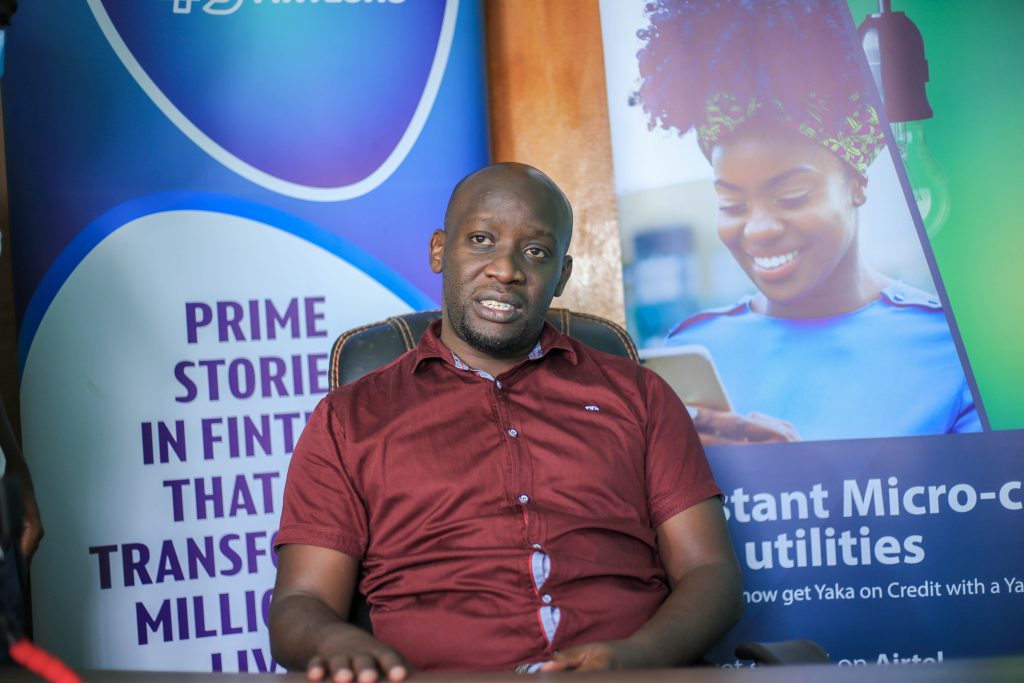
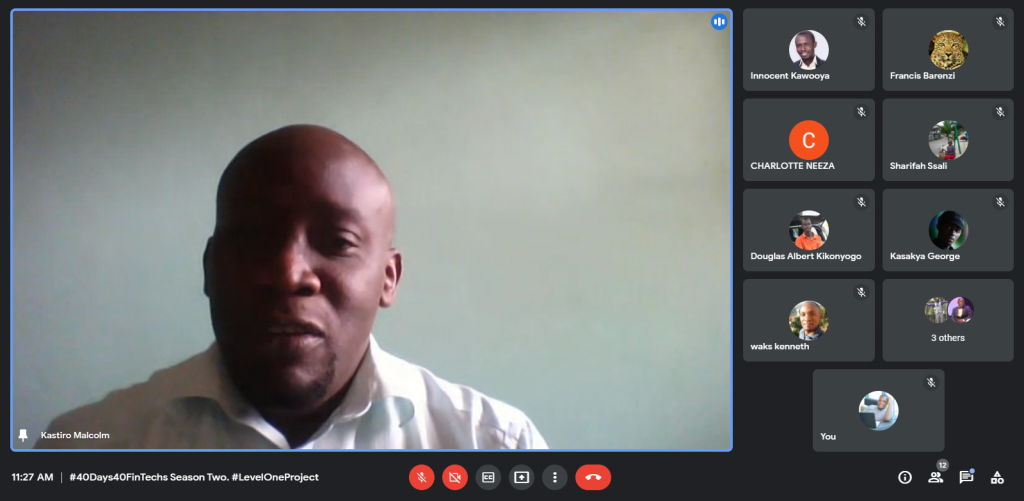
First to showcase was the Mallan Company led by its CEO Malcolm Kastiro. They gave exciting updates about their latest product named ‘Yassako’; an instant micro-credit facility for utilities, specifically electricity.
Malcolm revealed that the exposure brought by the inaugural 40 Days 40 FinTechs had boosted ‘Yassako’ uptake, and allowed Mallan to engage in more proactive planning on where they want to take the service. ’40 Days 40 FinTechs helps you go further,’ Malcolm revealed in appreciation.
He added that HiPipo and #40Days40FinTechs can ably further serve as a validation platform for fintechs, and quickly remove barriers to investment and funding, plus also be an asset in attracting the talent the industry needs.
Innocent lauded Yassako as a product that is well aligned with the Level One Project Principles, enabling low income earners to become part of the digital economy.
He further promised that HiPipo is intensifying its support, specifically in relation to documentation and sourcing for grants/funding.
Yassako Explained.
While still in the pilot phase, the Yassako project, an innovation of Mallan Company Limited, has in a space of just a year grown its customer base to over 100 users every day.
The growing interest in the product is a testimony of how Financial Technology Companies (FinTechs) are helping solving day-to-day challenges facing millions of Ugandans.
Offered in partnership with Airtel Money, Yassako is an instant micro-credit emergency solution that enables users to recharge their pre-paid Yaka electricity on credit any time.
The product was introduced after Mallan Company, which specializes in Value Added Services and advanced credit services in the mobile payments space, noticed a gap in the market, when some Ugandans were running out of Yaka ( Electricity) units in weird hours after Umeme shifted its metering system from post-paid to pre-paid, something most Ugandans were not prepared for.
The solution has turned out to be a life saver for many Ugandans, who can now get electricity units on credit and pay within a maximum 30 days.
The company for now offers a minimum of sh2, 000 worth of Yaka units and a maximum of sh10, 000. Each credit attracts 15% service fee, according to Malcolm Kastiro, the co-founder and chief executive officer of Mallan Company Limited.
Kastiro explains that the low figures are intentional, given that it is an emergency solution. Additionally, they want to ensure that the amounts are not so big for customers to pay back.
“We just take you through that small fix you are in for that moment; probably it is lights, ironing or cooking. We allow you to get enough electricity units to do what you want to do so that the next day you go and purchase electricity,” Kastiro says.
Given that the service is offered in partnership with Airtel, it is for now available to Airtel customers only. Kastiro, however, says that the company is in talks with MTN to have the service offered to its customers too.
Additionally, he notes that the company has plans to roll out the credit solution to pay television service providers such as Dstv and GoTv among others.
However, National Water and Sewerage Corporation (NWSC) customers will have to wait a little longer as Kastiro says that the post-paid nature of bill payment makes it tricky. Additionally, the bills involved are also too big.
He, however, expresses optimism that since NWSC has plans to introduce the pre-paid metering system, they will engage it once the system in rolled out in future.
Additionally, there are also plans to engage other electricity distributors, especially those serving the upcountry areas, offer the service to their pre-paid users.
Eligibility
For one to qualify for the Yassako credit solution, s/he must have been an Airtel subscriber for at least three months. To qualify for a certain amount of credit, one must have spent at least twice the credit value they are requesting for.
40 Days 40 FinTechs
Mallan Company Limited featured on Day One of the second edition of the 40-Days 40-FinTechs initiative, organised by HiPipo in partnership with Crosslake Technologies, ModusBox and Mojaloop Foundation, Level One Project and sponsored by the Gates Foundation.
The initiative which provides a platform for FinTechs and stakeholders in the digital and financial technology space to exhibit their products and share ideas, seeks to boost the African FinTech ecosystem to enable innovators enjoy sustainable profitability to help them design and deploy affordable and inclusive financial services for the poor.
Kastiro says that the 40-Days 40 FinTechs has given it a platform to reach more customers, interact and engage with other key stakeholders.
Kastiro notes that Mallan Company implements LevelOneProject principles such as real time payment and same day settlement. Additionally, he says that the Know-Your-Customer (KYC) principle is also key as they cannot extend credit to someone that we don’t know.
“We must have information about you so that we do the credit scoring, so that we know whether you qualify and if you do, how much do you qualify for. These are fundamental features that we need for us to offer a good service,” he notes.
At the end of the day One session, the HiPipo chief executive officer Innocent Kawooya noted: “We are proud to kick off the 40-Days 40 FinTechs season Two by showcasing Mallan Group. Initially mooted in our first edition, we are glad that it is now ready for market, in no small part due to the support 40-Days 40 FinTechs offered and continues to do so.”
He added that Yassako is a fine example of the transformative technology that can positively change societies and communities.
“This is the first of its kind in East Africa and on the entire African continent that enables customers get electricity on credit. It offers great opportunity for home businesses and SMEs that might need critical assistance at vital points of the production value chain,” Kawooya says.
He adds: “ As we talk of digital lending, borrowing and all other service points on the digital ecosystem, it should not be forgotten how vital it is that products like Yassako exist to help and attract many to on-board onto digital rails, taking the first crucial step to financial inclusivity.”
Despite the enacting of the National Payments Systems Act mid this year, Kastiro, however, says that it poses a risk of creating monopolistic tendencies in the industry, given the stringent requirements required to get an operation license.
Financial Technology stakeholders have witnessed a lot of positives in 2020 even amidst the COVID-19 pandemic and its unprecedented effects on people and economies globally. But that doesn’t remove the fact that this has been a rough and tough year.
The highlight of the year saw world leaders imploring their citizens to embrace digital financial services (DFS) and other electronic services as means of curbing the spread of the dreaded novel corona virus.
In Uganda, the uptake of digital financial services, e-commerce, e-agriculture, e-education and e-health among others has been remarkable this year with more people adjusting to what is now the new normal.
The cardinal role that fintechs are playing in the new normal was acknowledged at the 2020 Digital and Financial Inclusion summit featuring the Digital Impact Awards Africa.
Prof. Maggie Kigozi, a Ugandan Business Leader and the event guest of honour underscored the economy saving role that the Financial Technology industry has played during these unprecedented Covid-19 times, existing challenges notwithstanding.
“I want to appreciate the young generation for seeing opportunities, jumping up to them and delivering products and solutions that we all use. I urge the Financial Technology Ecosystem players to continue working together to address any challenges. There are still a few problems here and there. But Financial Inclusion is happening,” Prof. Maggie Kigozi said.
But then the issue of access to devices and internet continues to obstruct digital and financial inclusion. To this, UNCDF’s digital country lead, Chris Lukolyo urged innovators to develop products that directly target the last mile users as this will in turn force the big players to pay more attention to addressing the devices and internet access challenges.
“The people being left out are mostly rural, immigrants and refugee communities. At UNCDF, we have piloted something called the Digital Community Entrepreneur where we are leveraging the people in the community to reach out to the doorstep, the last mile audience with digital related products and services. There are also locally manufactured devices now. It is a step in the right direction and can help to reduce the costs of devices,” Lukolyo said, adding;
“Indeed Internet access is still very expensive especially here. A lot of work still needs to be done to address this. Part of UNCDF’s strategy of not leaving anyone behind in the digital era is to foster inclusive innovation. If you can innovate with underserved communities in mind, you can come up with those viable business models that will attract the big service providers such as MTN to get down there and reduce access costs because there is money to be made.”
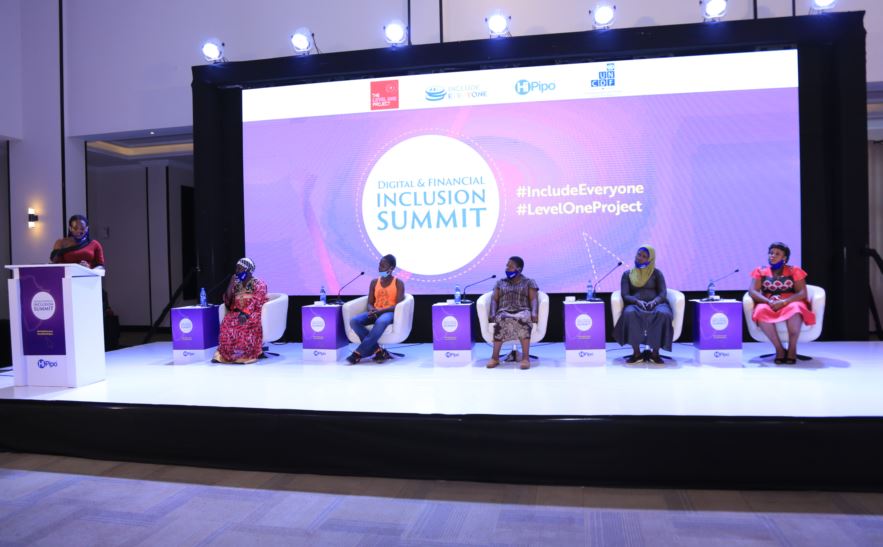
The digital and financial inclusion summit which was a culmination of the 2020 Include EveryOne Program was organized by HiPipo, in partnership with ModusBox, Mojaloop Foundation, Level One Project and United Nations Capital Development Fund (UNCDF).
In her keynote address, Damali Ssali, a Ugandan senior chartered accountant and trade development expert recommended that for Africa to achieve full Digital and Financial Inclusion, it must fix the regulatory framework, adopt interoperability and push for digitalization of government services.
“Digital and Financial Technology regulations should be reviewed and enhanced so that they facilitate rather than curtail financial inclusion. Providers of digital financial services should develop solutions that are interoperable and meet Level One Project Principles such as tiered KYC, and affordable devices,” Damali Ssali noted, adding;
“In any country, government is the largest provider of financial services. Governments need to embrace digital technology in the provision of public goods and services to all people. This will catalyse and speed up the rate at which financial inclusion is attained. Governments must develop infrastructure backbone to digitize the provision of financial services in a manner that is inclusive.”
Inclusive Panel Discussions.
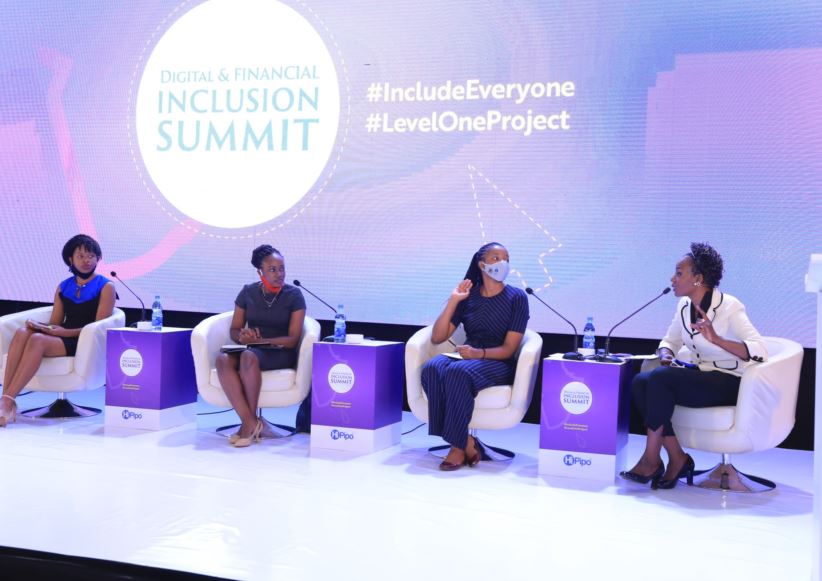
The summit had five gender balanced panel discussions that decoded the facts and myths about digital and financial inclusion in Uganda and Africa at large. Altogether, there were 22 Panelists including 11 women.
COVID-19 and its impact on Women Business Panel discussion at the 2020 Digital and Financial Inclusion summit held on 11th December at Mestil Hotel.
“The gender diversity challenge in the Financial Technology industry is well documented. Mere talking about it is not a solution. Instead, we must make sure that both genders are well represented at every level if we are to achieve last mile digital and financial inclusion,” Innocent Kawooya, the HiPipo CEO said, adding;
“It is not by mistake that 50 per cent of our 22 panelists today are women. It is also not by mistake that both our keynote speaker and guest of honour are women. We are deliberately engaging more women because we know that even though they are the majority gender, they are least included. HiPipo is playing its part in addressing the gender issue. You too play your part. We thank all our partners – UNCDF, ModusBox, Mojaloop Foundation and Level One Project for contributing to the success of this summit and other activities we have undertaken in 2020.”
The first panel was themed Financial Inclusion for Women – How do we minimize and recover from Covid Impact on Women? It had Barbra Kahunde – Project Manager Pebuu Africa, Lyn Tukei – Head of Marketing and Communications at Xente, Mbabazi Suzan – Engineer and Kameeza Team Leader and Yvonne Mpanga – Business Development Consultant.
“Digitalization is a must for our recovery from the impact of COVID-19 on trade and business. Most women love technology and will surely adopt it if well guided and sensitized. But the most important thing for me is ensuring that we are healthy because COVID-19 is still here,” Yvonne Mpanga noted.
The second panel was Securing the Fintech Ecosystem – How do we effectively collaborate? The discussants were Jane Mugenyi – Head of Strategic Partnerships and Corporate Sales at the MFS section of MTN Uganda, Ronald Azairwe – Managing Director of Pegasus Technologies, Paul Tamale – Manager Card and Acquiring at Stanbic Bank and Nathan Levi Dragudi Ocatre–Implementation Manager, Transaction Banking at Standard Chartered.
This panel came at the back of a ‘mobile money fraud’ that affected Pegasus Technologies, Stanbic Bank, MTN Uganda and Airtel Uganda around September and October 2020. Different discussants weighed in on how to safeguard the industry from such incidences now and in the future.
“There was a money heist like you have called it. But what I can assure you is that the customer wallets were not affected. No customer lost any money. Being a technology platform, we have continuous controls in place using both internal and external auditors to ensure that this does not happen again. We need to use digital identity as a platform in order to reduce such cases. If we have a digital identity of somebody who performed a suspicious transaction in MTN, then we could share with Stanbic, Stan Chart and Airtel etc so that when this same person goes to perform transactions elsewhere, s/he is already blacklisted,” MTN Uganda’s Jane Mugenyi said.
Pegasus managing director Ronald Azairwe added; “The most important thing is having digital identity. There must be a rigorous process of identifying every individual and relating every transaction to an individual. Yes, it is a bit of an intrusive process but there is nothing we can do to avoid that. We need to reach a point where everything digital is linked to your NIRA National ID.”
Then came the third panel – Building the Rails: Interoperability with Private Sector Led Real-time Payments Switch: How do we achieve it? The Panelists were Peter Kakoma – Kanzu Code CEO, John Mark Ssebunnya – FinTech Platforms Architect at MTN Group, Doreen Lukandwa – Beyonic Director Marketing and Customer Success, Paul Tamale – Stanbic Manager Card and Acquiring and Nathan Levi Dragudi Ocatre– Standard Chartered Implementation Manager, Transaction Banking.
This was a special one as it envisioned financial inclusion powered by interoperability, collaboration and competition.
“There is a framework that can help all industry players understand where we can compete and where we can collaborate in real time payment systems. The framework has what we call the rails which in this case are the infrastructure. It also has the rules. We can always collaborate on the rails and the rules. Then we can be left to compete on the accounts and applications. All players must be aware that both collaboration and competition can co-exist,” MTN Group’s John Mark Ssebunnya noted.
The fourth panel addressed the 2020 National Payments Act that is currently under review with both players and the regulator working on ensuring that the law doesn’t lock out anyone but instead develops the industry without prejudice to players – big or small.
This panel discussion had Financial Technology Service Providers Association (FITSPA) Company Secretary also Bowmans lawyer – Brian Kalule, Mallan Group CEO – Malcolm Kastiro, YOTV Channels CEO – Aggrey Mugisha and Beyonic Director Marketing and Customer Success – Doreen Lukandwa.
Beyonic’s Doreen Lukandwa summed up the National Payment ACT by noting that “this regulation has come with a lot of positives, credibility, control and trying to make the ground levelled for all players involved in this particular space. It is going to be very important for the regulator to engage all the stakeholders in this space on a regular basis not just once a year but monthly and ensuring that this regulation is suited for Uganda and serves Ugandans.”
Come in Informal Traders.
After these four panels, it was clear that all the key issues touching on the Fintech industry had been competently discussed and recommendations made.
But then came the Financial Inclusion for Women Informal Traders panel discussion – a super climax that the Digital and Financial inclusion summit needed.
During this panel, Women Traders from across Kampala City asked Financial Technology Stakeholders, and E-commerce players to focus on both Real Time payments and Traders’ Training as these two are the main impediments to online transactions embrace.
The Women Traders drawn from Bugolobi, Wandegeya, Kalerwe, Mpererwe and Kitintale Markets noted that even though online transactions have saved businesses and lives during these unprecedented Covid-19 times, failure by Financial Technology players to do Real Time payments, Limited Training and Lack of latest Online Trade tools have slowed further uptake.
“There hasn’t been huge embrace of the online and technology based business in Kitintale market. We haven’t had sufficient training on online trade. We also don’t have the right tools of trade. This explains the low uptake among vendors in our market,” Nakaketo Samalie Nkata, a Women Traders’ Leader from Kitintale Market said.
Grace Akiiki, the Chairperson of Wandegeya Market Women Traders candidly noted; “We had embraced e-commerce in Wandegeya market. But we got a huge challenge of delayed and sometimes no payments from an E-commerce player we were working with. When someone orders online, they order for goods that you don’t even have on your stall. So you have to use your cash to purchase the missing items and prepare this order with hope that you will be paid immediately. But then the payment delays or never comes.”
The issues shared by these traders made up much of the discussions at this event with different speakers acknowledging the need for the industry players to implement Financial Inclusion best practices such as same day settlements, tiered KYC, Low Cost User Devices and real time funds transfer.
Damali Ssali, pleaded with Financial Technology and E-Commerce players to walk the digital and financial inclusion talk by ensuring that they train traders and also make payments for sold goods in real time.
“It is unfair that an informal trader in Kalerwe market has to offer credit to big e-commerce and FinTech players then wait for days before a payment is made. The Financial Technology industry must embrace the Level One Project principle of same day settlement. Payments for goods sold must be instantly remitted to seller through mobile money or bank,” Damali Ssali said, adding;
“Again, the FinTechs and E-commerce players must take lead on educating the traders on how this industry works. If well trained and empowered, more traders will make informed decisions and embrace online transactions.”
Additionally, in his presentation titled The Inclusive Digital Economy, Steve Haley, the Director Economic Development at ModusBox emphasized that excluding millions of people from digital financial services not only hurts business owners but also stifles economic growth.
“Small business owners don’t have any option to wait days for their money to settle in to their accounts. Their lives and businesses depend on day to day income. As such they need interoperable real-time solutions. Interoperability will enable the innovation needed to make digital payments inclusive and affordable while pouring money in to the transaction economy and supercharging the ecosystem. All we need is a single real-time payment network solution, and that is Mojaloop.”
#DIAA2020
The Awards were a culmination of the Digital and Financial Inclusion Summit organized by HiPipo in partnership with ModusBox, Level One Project, Mojaloop Foundation and UNCDF.
The Digital Impact Awards Africa seeks to recognize, celebrate and appreciate different individuals and organizations that are spearheading the use of digital mediums to better serve their communities. Winners are those with the highest score from a combined Jury and Public voting process.
The 2020 winners included Standard Chartered for Digital Brand of the Year Award, Stanbic Bank took the Cards Payments Excellence Award, Jumia won E-Commerce Innovation Excellence, Centenary Bank won the Community Bank Excellence Award while Jumia was voted as Best Consumer Goods Brand on Social Media.
The special recognition for Regulatory Financial Inclusion Rails Award went to Bank of Tanzania (BoT) for their implementation of the Tanzania Instant Payment System (TIPS) while Doreen Lukandwa to the Women in Fintech Leadership Award.
#IncludeEveryone: Nominees for the 2020 Digital Impact Awards Africa – #DIAA2020 released.
17/11/2020
For Immediate Release.
HiPipo; the organizers of the annual Digital Impact Awards Africa have today released the list of nominees for the 7th edition of the annual Digital Impact Awards Africa (#DIAA2020).
Digital Impact Awards Africa is Africa’s most important gathering of C-Level Executives and senior Digital and IT executives.
The release of the nominations marks the end of a comprehensive entry submission and validation exercise that ran from 19th October to 10th November 2020. #DIAA2020 grand finale is scheduled for 11th December at Mestil Hotel, Kampala.
Digital Impact Awards Africa is a platform that promotes Digital Inclusion, Financial Inclusion and Cyber Security.
In other words, the Awards seek to recognize, celebrate and appreciate different individuals and organizations that are spearheading the use of digital mediums to better serve their communities.
Altogether, there are 36 categories in the 2020 Digital Impact Awards Africa including 17 that recognize best performing digital and financial players from across Africa and 19 categories purely focused on Uganda.
The #DIAA2020 edition comes in the middle of the COVID-19 pandemic; an unprecedented period that has on one hand wreaked socio-economic havoc across the world, but on the other hand further showcased the life- serving and saving capacity of digital-financial services (DFS).
The 36 categories include two special recognitions. These are: Regulatory Financial Inclusion Rails Award, and Women in FinTech Leadership Award.
Regulatory Financial Inclusion Rails Award
World over, regulators are key enablers of financial inclusion in some cases by adopting provision of digital financial infrastructure as a public good. Regulators lead the provision of a national digital identity to all residents, the development of a real-time payment systems and the establishment of a favourable legal framework. The Digital Impact Awards Africa ‘Regulatory Financial Inclusion Rails Award’ is a special recognition of initiatives, programs and projects that are setting up the needed financial inclusion infrastructure rails with key emphasis on instant (real-time) payments platforms in Africa.
Women in FinTech Leadership Award
Just like most countries especially in Africa, Uganda still struggles with a huge gender diversity challenge in the financial technology space. Only 10 per cent of the 41 FinTechs that took part in the 2020 40 Days 40 FinTechs initiative had either women co-founders or women in their senior management. The limited involvement of Women in Financial Technology is unfortunate because they are the majority gender world over and most importantly, their last-mile utilisation of financial technology solutions is very high. As such, the #DIAA2020 ‘Women in FinTech Leadership Award’ seeks to recognize and appreciate a Woman that is taking lead in bridging the aforementioned gender diversity challenge.
Minus these two special recognitions, the rest of the categories will include jury assessment and public voting that will commence on Thursday 19th November until the eve of the awards.
The awards gala will be the climax of the #IncludeEveryone – Digital and Financial Inclusion Summit that will happen on the same day.
This summit will explore the strategic trends and technologies that are shaping the future of Digital, IT and business. The summit theme will be “Collaboration to Advance Safety and Security towards Sustainable Financial Inclusion”.
We wish to congratulate all the nominees and now implore them and the entire public to take part in the voting exercise.
The official hash tags for this project are #DIAA2020, #IncludeEveryOne and #LevelOneProject
HiPipo; the organizers of the annual Digital Impact Awards Africa have started receiving entries for the 2020 Digital Impact Awards Africa (#DIAA2020). Digital Impact Awards Africa is Africa’s most important gathering of C-Level Executives, and senior Digital and IT executives.
The #DIAA2020 grand finale is slated for the afternoon of Thursday 26th November. It will be preceded by the annual Include Everyone Summit (aka Digital and Financial Inclusion Summit) on the same day.
#DIAA2020 grand finale is scheduled for 28th November 2020 at the Kampala Sheraton Hotel. The awards gala will be the climax of the Include Everyone – Digital and Financial Inclusion Summit that will happen on the same day. This summit will explore the strategic trends and technologies that are shaping the future of Digital, IT and business. The summit theme will be “Collaboration To Advance Safety and Security Towards Sustainable Financial Inclusion”.
Digital Impact Awards Africa is a platform that promotes Digital Inclusion, Financial Inclusion and Cybersecurity. Precisely; the Awards seek to recognize, celebrate and appreciate different individuals and organizations that are spearheading the use of digital mediums to better serve their communities.
All qualifying organisations and projects are called upon to submit their entries ahead of the entry closure date of 2nd November 2020.